
Housing Supply-side Solutions
Wisconsin’s housing affordability crisis stems from a shortage of new homes and rapidly rising prices. Home costs continue to outpace incomes, making reasonably priced housing harder to secure and maintain across the state. In fact, Wisconsin’s median home price has more than doubled in just the past decade.
These pressures are reshaping who can buy a home. The average first-time homebuyer is now 40 years old, has spent seven years saving for a down payment, and has missed out on an estimated $150,000 in home equity by buying later in life. At the same time, Wisconsin is not building the types of homes today’s buyers need—often referred to as “missing middle” housing.
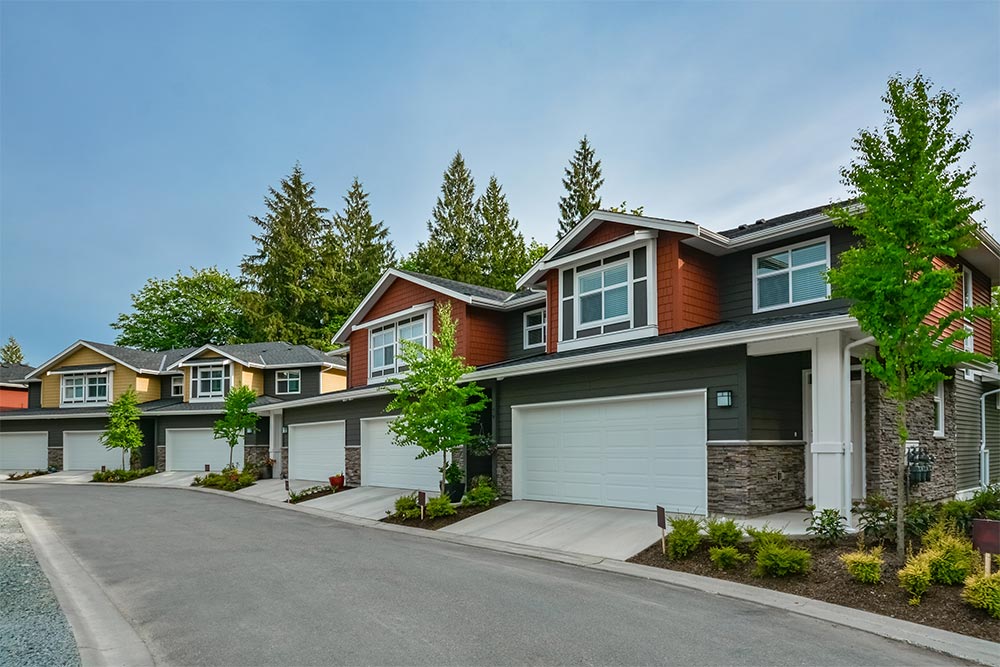
Missing middle housing includes more attainable options such as smaller homes, condominiums, and higher-density neighborhoods with modest lot sizes—exactly the kind of housing many buyers are seeking. To address this gap, WRA is focused on advancing several supply-side legislative solutions designed to increase housing production and expand attainable homeownership opportunities statewide.
LEGISLATION
2025 WI Act 235
Residential TIDS
2025 WI Act 237
WHEDA Loan Modifications
2025 WI Act 68
Plat Review
2025 WI Act 173
“Truth in Planning”
2025 WI Act 120
Neighborhood Improvement District (NID)
Residential TIDs
Gives communities the option to create residential tax incremental districts (TIDs) specifically for residential development. Expands the use of tax incremental financing tolls for local governments to support entry-level, owner-occupied, single- and two-family homes by helping fund critical infrastructure such as roads, sewer, and utilities.
Creates a new TIF tool for residential housing that provides for the following
- A PAY-GO TID, incentivizes developers and municipalities to work together
- Provides a 3% limit municipality’s equalized value on the residential TID
- Limited to single-family or two-family use
- Must be owner-occupied housing
- Required to be used only for high density development, by limiting the lot size, lot width, and square footage of the home
- Can only be used for improvements/infrastructure costs of the lot, not for the cost of the land
Improves loan programs offered by the Wisconsin Housing and Economic Development Authority (WHEDA) by removing barriers and increasing financing flexibility for housing developments. The result is a stronger toolkit to support workforce housing, expand supply, and help more projects move forward. These changes will encourage use of these loans ahead of the January 1, 2031 deadline, when the funds must be returned to the state.
- Allows stacking: One of the biggest challenges to development is securing financing, which would be easier through the combination of infrastructure loans in tax increment districts (TIDs), historic tax credits or other financing incentives.
- Expands rural development:Allows the commercial conversion loan to be used for four or more dwelling units in populations of 10,000 or less.
- Increases loan awards: The loans more accurately reflect amounts that provide a greater incentive to developers to use the programs.
Explore the Loan Programs:
Infrastructure Access Loan Program
Restore Main Street Loan Program
Vacancy-to-Vitality Loan Program
2025 WI Act 68
Plat Review
Reforms the plat review process by requiring local governments to offer nonbinding pre-submission reviews and creating clearer expectations for subdivision approvals. These changes improve transparency, consistency, and predictability across the state, helping reduce delays and keep housing projects on track.
2025 WI Act 173
“Truth in Planning”
Helps communities align local zoning with comprehensive plans, aiming to reduce development delays and lower housing costs by increasing predictability.
2025 WI Act 120
Neighborhood Improvement District (NID)
Expands local tools to support housing and neighborhood revitalization by allowing more flexibility in how improvement districts are used, including the ability to fund residential infrastructure via special assessments, while ensuring property owners are informed and engaged.
Additional Bills WRA Supports Related to Housing
2025 WI Act 238
Historic Rehabilitation Tax Credit
Makes it easier to restore and reinvest in older commercial and residential buildings, helping revitalize downtowns, preserve historic properties, and support new housing opportunities.
2025 WI Act 239
Workforce Home Loan Program
Creates a new WHEDA loan program to help first-time homebuyers and working families bridge affordability gaps and move closer to homeownership.